Connect with us.

Tell us how we can help and we’ll get back to you soon.

400-22 E. 5th Avenue, Vancouver, BC, Canada
Follow us on LinkedIn
Please provide a correct email.
Dropdown
Link 1
Please provide a reason.
Please provide a correct email.
Send Message
Thank you for contacting LexSelect! A member of our team will be in touch as soon as possible.
Oops! Something went wrong while submitting the form.
Home
Products
LexStudio / APILexChatLexEnterprise
Pricing
Case studies
Mediation intake automation
About
Resources
API documentationAPI PlaygroundBlogHelp center
ContactContact
Log In
LexChat
AI legal assistant
LexStudio
Developer portal (API)
Try it free
LexChat
AI legal assistant
LexStudio
Developer portal (API)
Log In
Log in to
LexChat
AI legal assistant
LexStudio
Developer portal (API)
Try it free
Start free with
LexChat
AI legal assistant
LexStudio
Developer portal (API)
Home
Products
LexStudio / APILexChatLexEnterprise
Pricing
Case studies
Mediation intake automation
About
Resources
API documentationAPI PlaygroundBlogHelp center
ContactContact
Log In
LexChat
AI legal assistant
LexStudio
Developer portal (API)
Try it free
LexChat
AI legal assistant
LexStudio
Developer portal (API)
Log In
Log in to
LexChat
AI legal assistant
LexStudio
Developer portal (API)
Try it free
Start free with
LexChat
AI legal assistant
LexStudio
Developer portal (API)
New
Benchmark results: see how LexSelect parsing compares.
Learn more

Unlocking unstructured data to power legal AI

Legal AI struggles with scans, bundles and complex layouts. LexSelect creates document-wide structure that produces more reliably, verifiable outputs with lower downstream compute and token costs.
Try it free
Start free with
LexChat
AI legal assistant
LexStudio
Developer portal (API)
Book a meeting
Illustration of documents being parsed into structured data
Structure
Label
Cite
Build pipelines

One node tree for the entire record, from sub-document down to section, paragraph and line. Schedules, exhibits and attachments keep their own type and page boundaries. Reading end-to-end resolves what a page-by-page parser guesses at: whether the table on page 47 started on page 34.

Try in LexStudio

LexSelect identifies each element for what it is, including struck text, signature blocks, seals, footnotes, page numbers, handwriting, images, charts, tables and passage language. Non-body elements remain distinct, and struck language is not treated as operative text.

Try in LexStudio

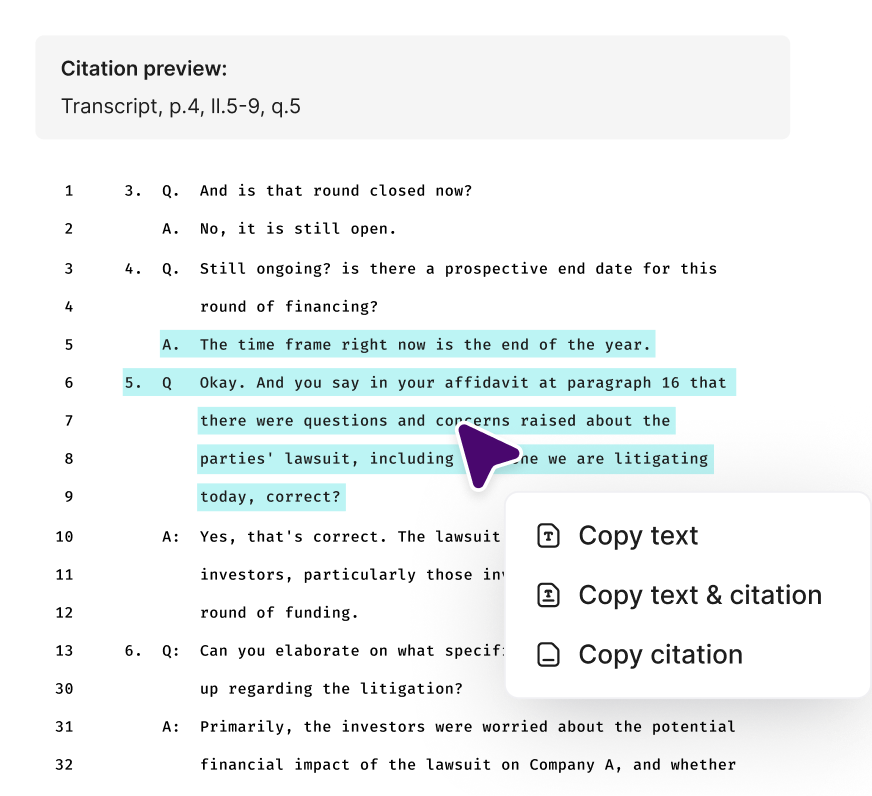
Citations follow the document’s own reference system, not only page coordinates. Cite subsection 12.3(a) of Schedule A, paragraph 47 of Exhibit D within an affidavit, or deposition transcript p. 4, ll. 20-21.

Try in LexStudio

Send anything from a two-page letter to a 1,800-page minute book to the API. LexSelect returns a structured node tree with every element classified, nested and linked to its source. Build on that and your outputs stay consistent, stay traceable, and cost less to run.

Try in LexStudio
Output

What the engine returns

One pass over the document returns all of it: the text, the structure around it, and the exact location of every element in the original.

Clean text

Reading-order text from any layout, including multi-column pages.
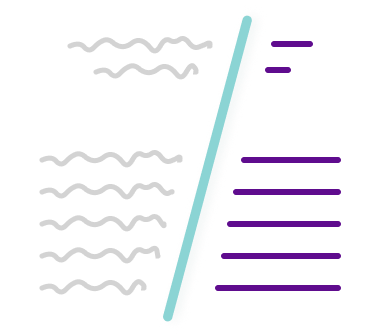
Clean reading-order text extracted from a multi-column page

Structure & hierarchy

Headings, clauses, numbering, and nesting: the document tree, not a text dump.
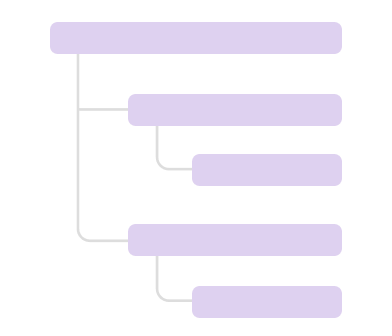
Nested document structure tree with headings and clauses

Tables

Rows, headers, and merged cells, stitched across page breaks.

Table stitched together across a page break

Handwriting

Handwritten annotations, notes, and form entries on scanned documents.
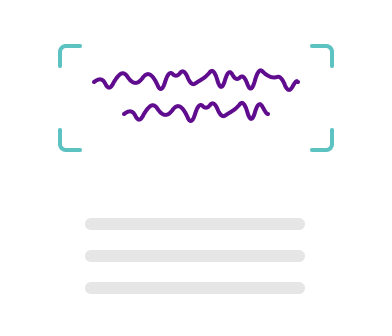
Handwritten annotation detected on a scanned document

Signatures & stamps

Signature and stamp detection with page locations.

Signature and stamp detected on a document

Document types

Automatic classification: the engine detects what each document is on its own.

Document relationships

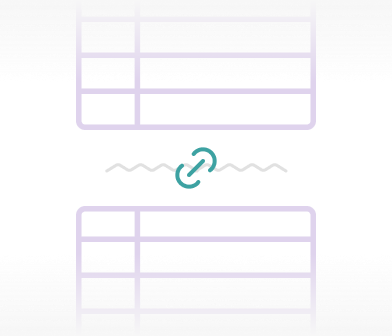
Exhibits linked to filings; sub-documents inside compiled bundles detected and separated.

Exhibits and sub-documents linked to a parent filing

Source citations

Exact page and position for every extracted element.
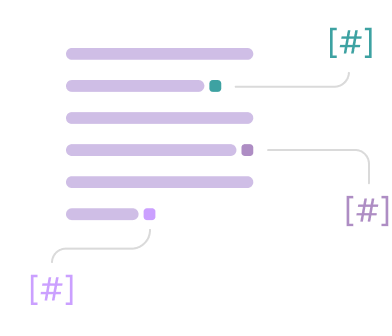
Extracted text lines with source citation markers
Coverage

The documents legal work runs on

A few of the types the engine recognizes on its own. The vocabulary is open, so uncommon documents don't break it.
Affidavits
Court filings
Transcripts
Contracts
Legislation
+ more

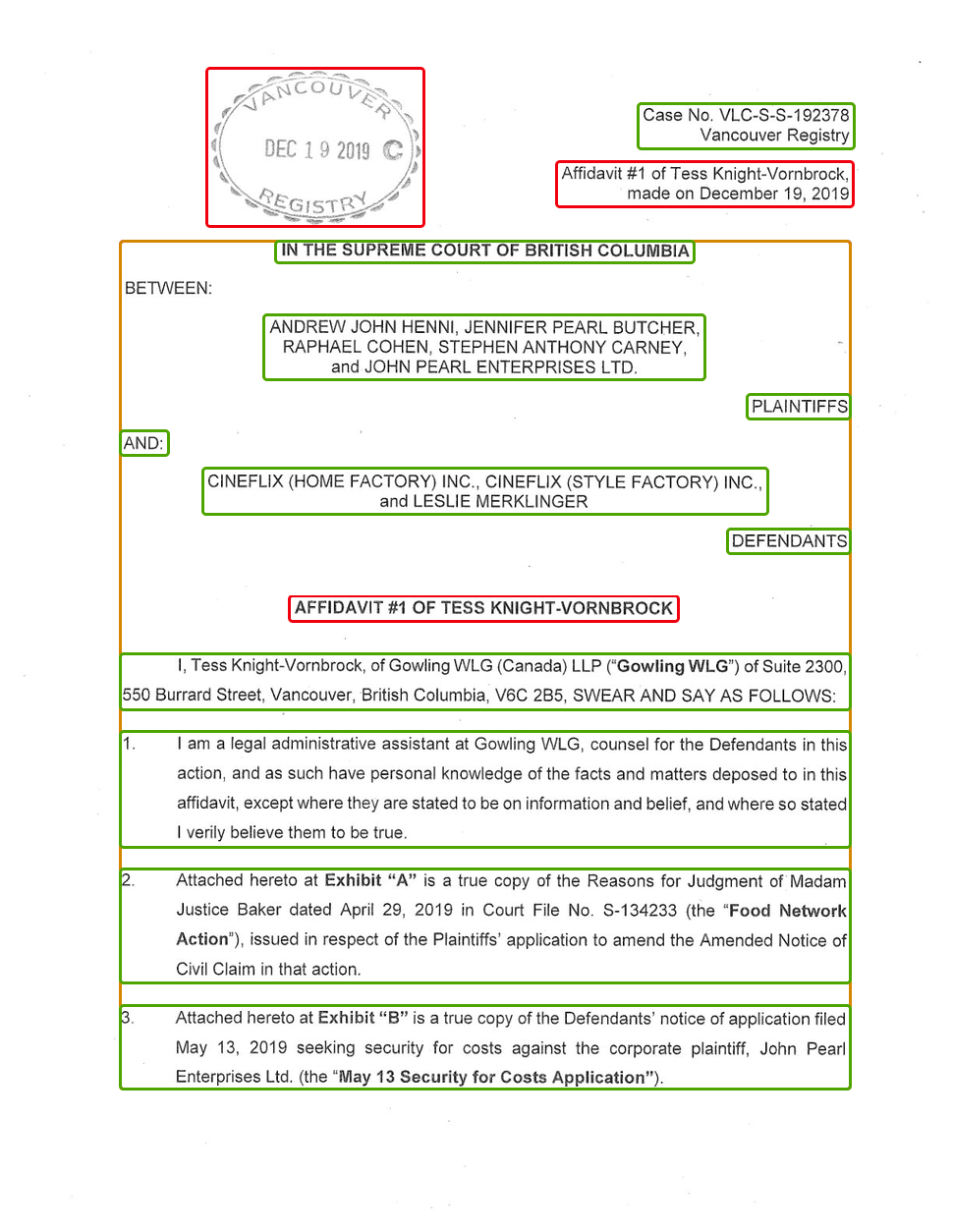
Affidavits

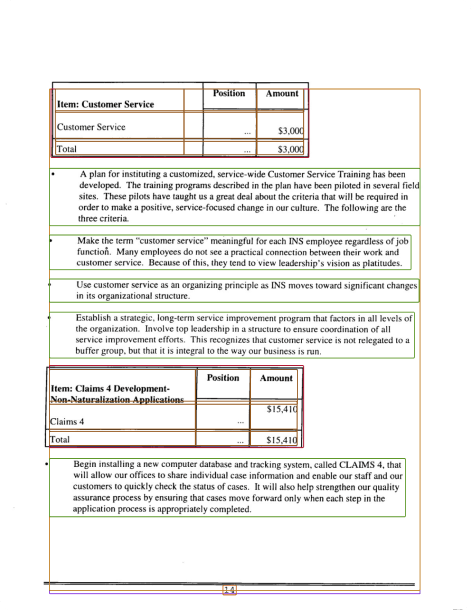
Sworn statements with their exhibits attached. Numbered paragraphs are preserved and each exhibit is detected as its own sub-document, linked to its parent.

Annotated elements

Header
2
Column
1
Heading
2
Paragraph
11
Line
31
Clause
3
Subdocument
17
Explore in Playground

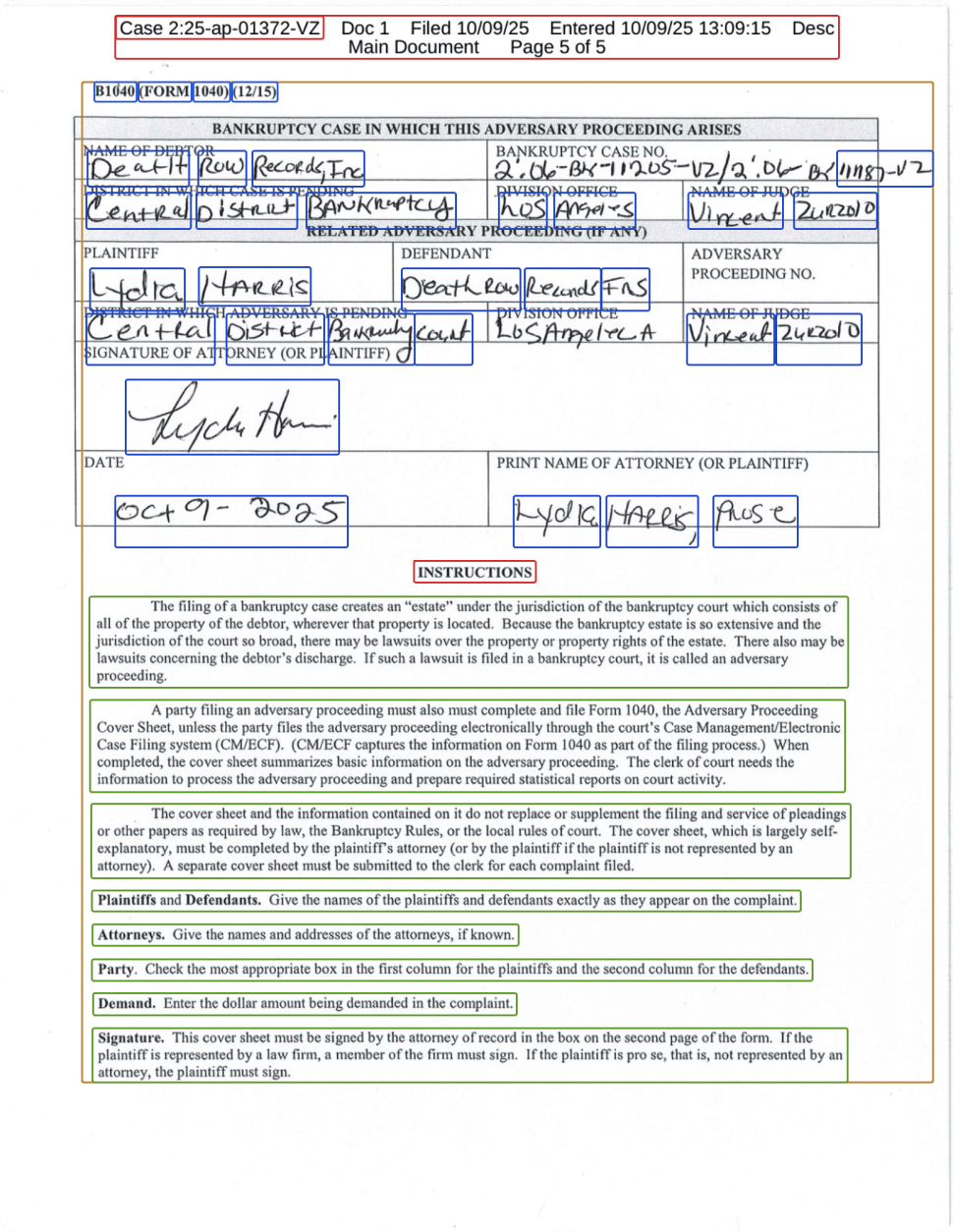
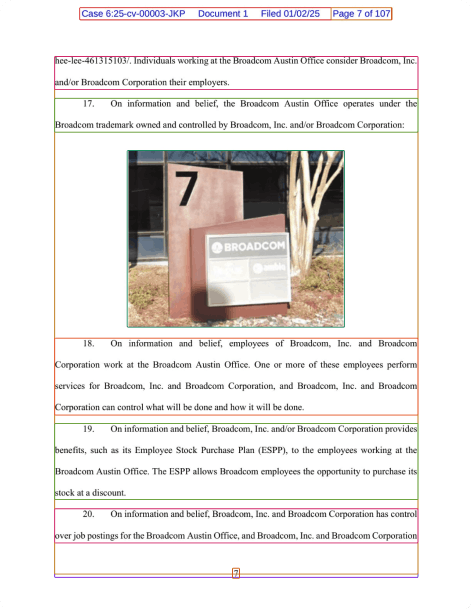
Court filings

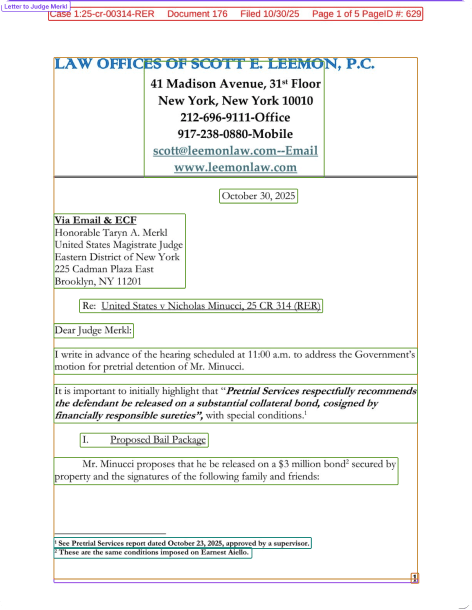
Complaints, motions, orders, petitions: anything filed with a court, typed or handwritten. Form fields come back as key-value pairs and docket stamps stay out of the text.

Annotated elements

Header
1
Paragraph
8
Line
24
Handwritten text
26
Table
1
Signature
1
Explore in Playground

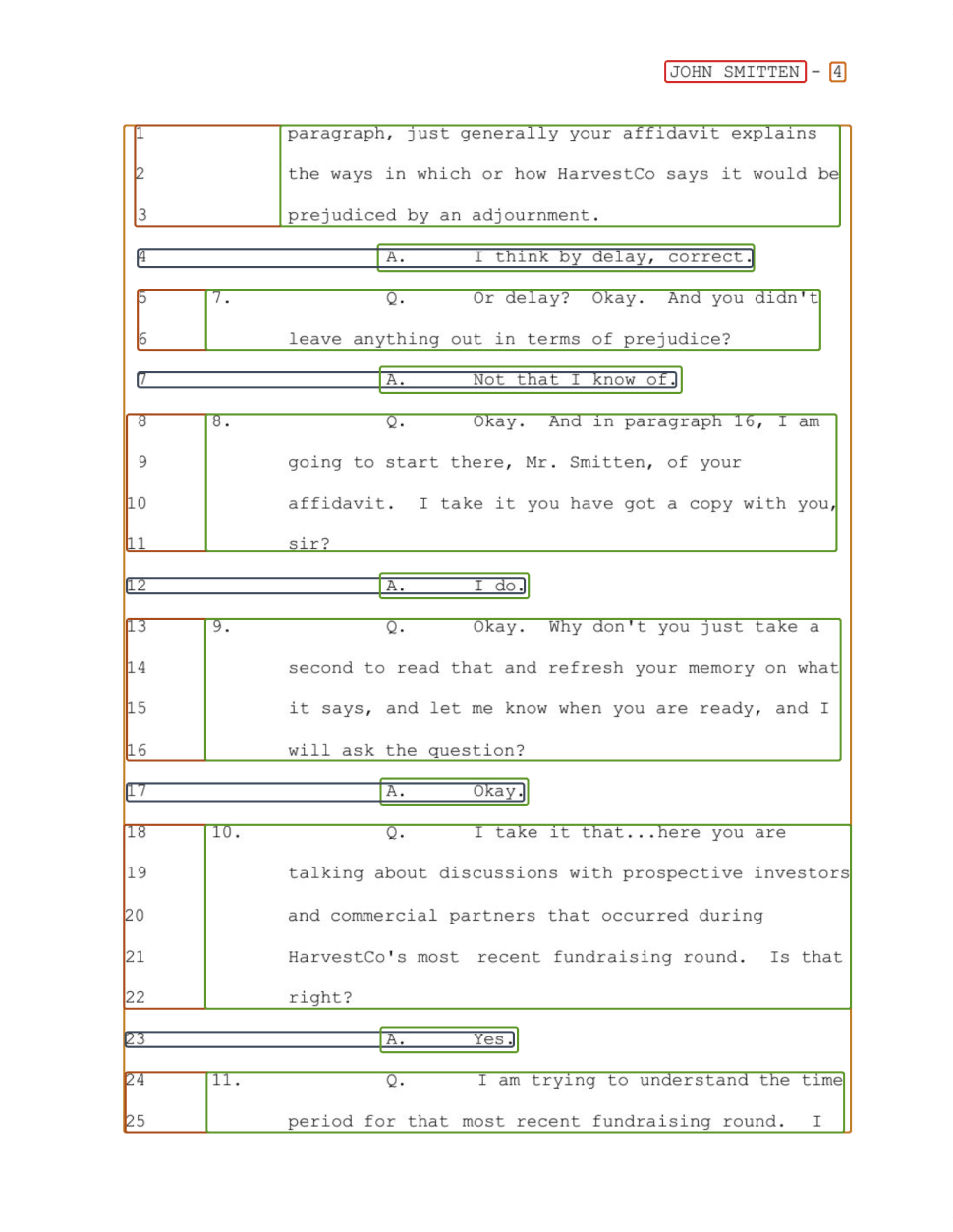
Transcripts

Depositions, hearings, and examinations. Every line is numbered, every question paired with its answer, ready to cite by page and line.

Annotated elements

Header
1
Page number
1
Column
1
Paragraph
11
Transcript line
25
Question
6
Answer
5
Explore in Playground

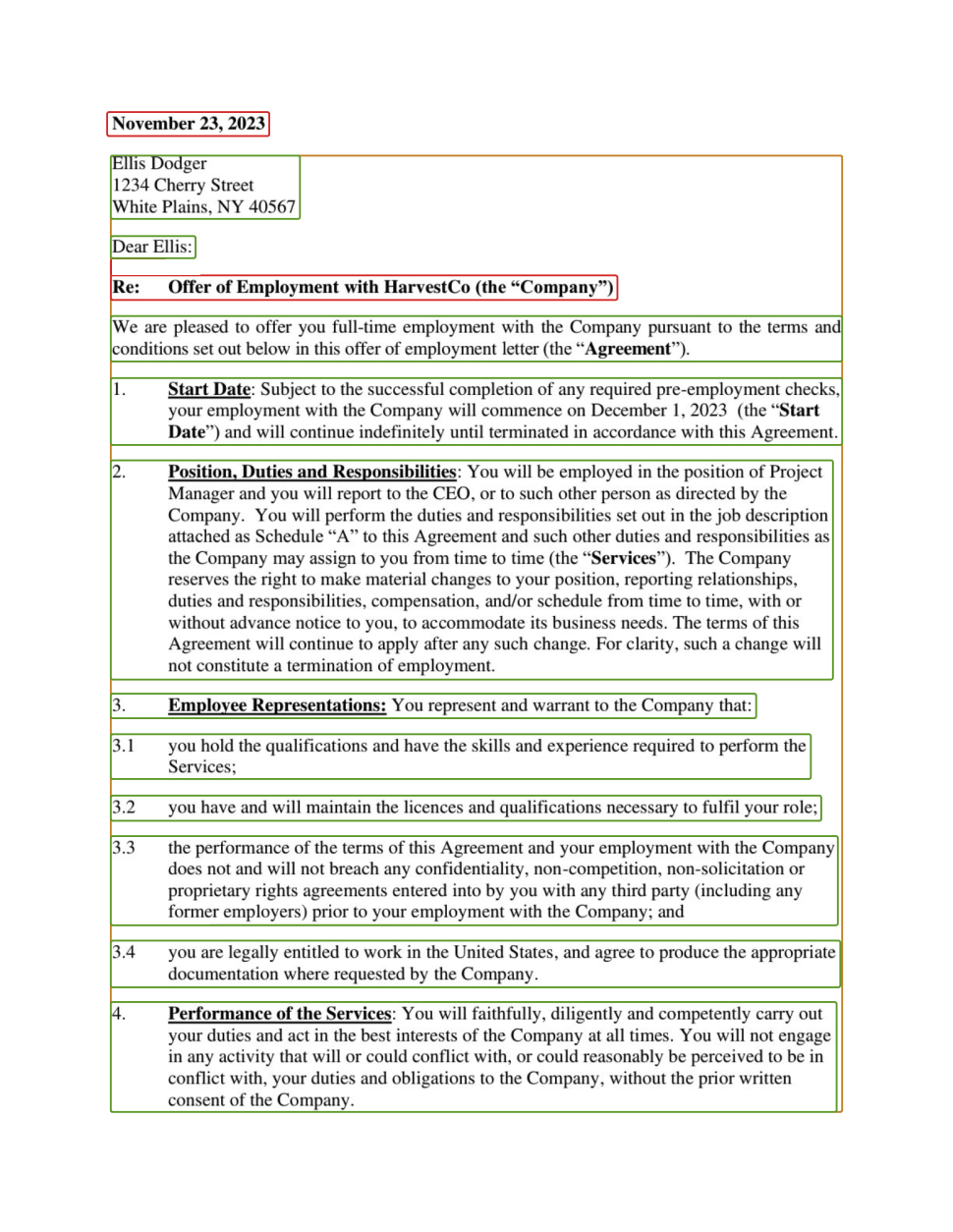
Contracts

Agreements of any kind, from employment to commercial. Clause hierarchy survives the parse: 12.3(a) stays 12.3(a), and schedules are detected as sub-documents.

Annotated elements

Header
1
Heading
1
Column
1
Paragraph
11
Clause
4
Sub-clause
4
Explore in Playground

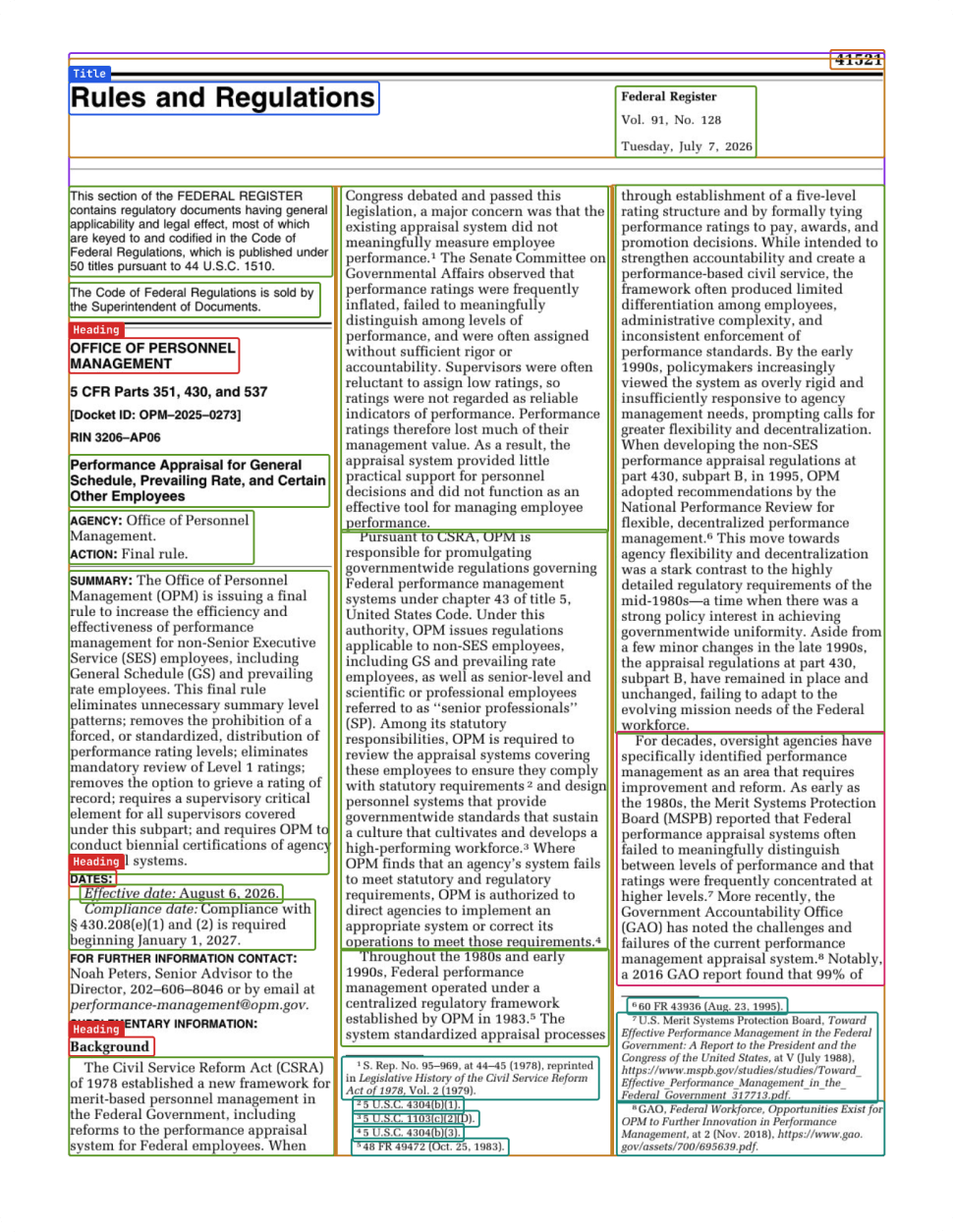
Legislation

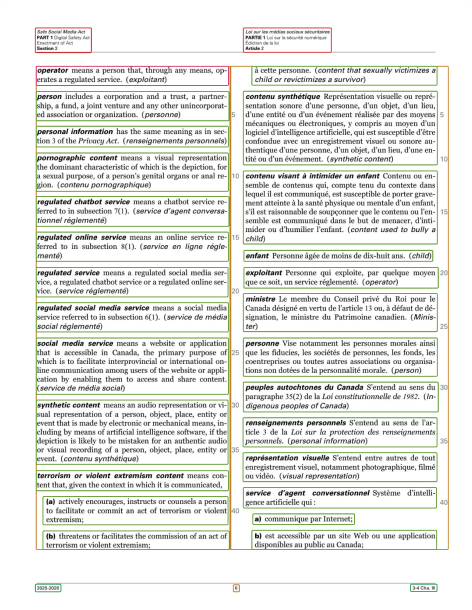
Bills, statutes, and regulatory issues: deeply nested numbering, definitions, and cross-references, returned as the hierarchy the text was written in.

Annotated elements

Title
1
Heading
3
Page number
1
Column
3
Paragraph
12
Footnote
8
Subdocument
3
Explore in Playground

More

Notices, wills, corporate records, court forms, and everything in between. The classification vocabulary is open: the engine detects what each document is on its own.
Explore in Playground
Technology

Analyzed as a document, not as pages

One structured tree, citable by the document's own numbering, with every AI correction on record and only the node types you request.
One tree for the whole document
One structure from first page to last, not page-by-page output. An exhibit stays linked to its filing, a table stays whole across page breaks.
Corrections you can audit
Every AI correction is recorded with the original, so changes can be audited and rolled back.
The document's own reference system
Paragraph numbers, clause 32.1(b), transcript lines. Output you can cite the way lawyers cite, not only by coordinates.
Parse only what you need
Request just the node types your workflow uses: tables, clean text, structure. Cost follows what you ask for.
Illustration of documents being parsed into structured data
Products

One engine behind every product

LexStudio / API

Developer portal

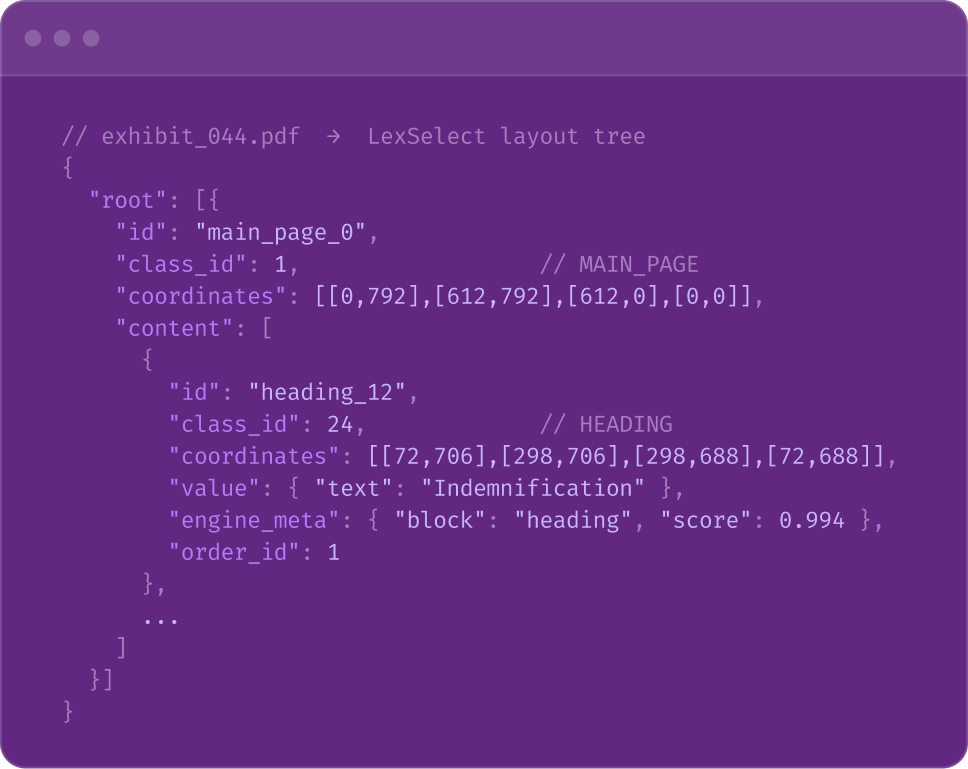
Generate an API key, read the docs, and make your first parse in minutes.

Upload your own documents in the Playground and inspect every extracted class and structure visually.

Track usage against your plan and review logs, so you can see exactly what was processed and what it cost.
Try it free
Learn more

LexChat

AI legal assistant

Copy clean, perfectly formatted text from any document, even scanned or complex PDFs, and generate citations for any passage.

Ask questions across all your uploaded documents and get accurate, cited answers that link back to the original source.

Use it inside Microsoft Word with our add-in: review documents, run LexChat, and insert cited text without leaving your draft.

Try it free
Learn more

LexEnterprise

Enterprise pipelines

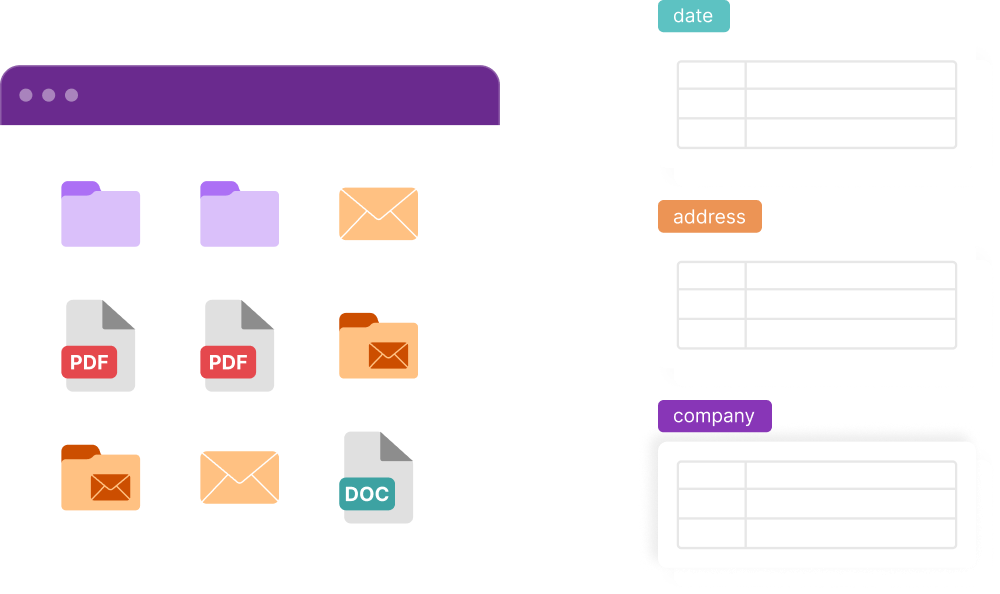
Custom intake, extraction, and review workflows, configured for your process.

Delivered through the same products your team already uses, with structured data flowing into your systems.
Contact us
Contact us
Learn more
Trusted by the best

Discover why leading legal teams choose LexSelect


I’m a hard sell on software, much less legal tech—we build legal tech. We ripped out our own parsing solution for LexSelect because it delivered clear improvements in the accuracy of our results. I was thrilled. Theirs is simply the best at parsing legal documents.


Shlomo Klapper
Founder & CEO, Learned Hand

Our experience with LexSelect has been excellent from start to finish. Their product delivers real value by extracting key information from our source documents and automatically populating our system, freeing our team and clients from time-consuming manual entry.

View case study
Thomas Martin, Business Operations Analyst at M Resolution
M Resolution logo
Thomas Martin
Business Operations Analyst, M Resolution

LexSelect is a complete game-changer. When it comes to drafting factums and submissions, it has literally cut my prep time by a third and cut-out the most tedious and unpleasant part of the work. LexSelect allows me and my junior associates to focus on what matters, drafting comprehensive and persuasive legal arguments.

Kevin Westell, Trial Lawyer and Co-Managing Principal at Pender Litigation
Pender Litigation logo
Kevin Westell
Trial Lawyer and Co-Managing Principal,
Pender Litigation

I used LexSelect to generate an event chronology from opposing counsel’s motion brief package. What would normally take me four or five hours of careful review was done in just a few minutes. The efficiency gain is incredible and lets me focus on the higher-value parts of the case.

Scott Foster, Partner at Lewis Silkin LLP
Lewis Silkin LLP logo
Scott Foster
Partner,
Lewis Silkin LLP

FAQ

The questions every evaluation starts with.
Which product should I start with?

If you're building a product, start with LexStudio: generate an API key and parse your first document in the Playground. If you work with documents day to day, start with LexChat: sign up free and put it to work on a real matter. Teams with volume or custom workflow needs can contact us directly.

How is this different from general-purpose document API?

General-purpose tools extract text and tables, but the hierarchy, the relationships, and the legal context are lost. LexSelect returns a structured tree built for legal documents: exhibits detected as sub-documents and linked to their parent, tables tracked as one table across page breaks, transcripts paired question to answer, and every document classified automatically. See the full comparison on the API page.

How do I get an API key?

Open LexStudio, create an account, and generate a key. Standard terms are accepted on activation, so there's no contract to negotiate before you start building.

What file formats do you support?

PDF, Word (DOC, DOCX), RTF, ODT, HTML, and email files (EML, MSG), up to 250 MB per file, scanned or born digital.

What output formats can I get?

The parse response is JSON: a structured tree per page, plus optional slices like plain text, extracted tables, and key-value pairs. A separate render call returns Markdown or HTML. Every element carries its exact position on the page.

How is my data handled?

LexSelect is SOC 2 Type II audited, with encryption in transit and at rest and strict data isolation. See the privacy policy and terms for the specifics.

Who do I talk to about larger volumes or custom requirements?

Contact us and we'll scope it together, from high-volume archives to document intelligence workflows configured for your process.

Illustration of documents being parsed into structured data
SOC 2 Type 2 badge

SOC 2 Type 2
audited

Every document you process on LexSelect is protected by independently audited security controls designed to keep sensitive legal data secure.

Contact us
Contact us
The data layer for legal AI.
Follow us on LinkedIn
Products
LexStudio / APILexChatLexEnterprisePricing
Resources
API DocumentationAPI PlaygroundHelp CenterBlog
Company
About Us
ContactContact
Trust & legal
Privacy policyTerms and conditions
LexStudio
Account Log InCreate Account
LexChat
Account Log InCreate Account
Designed & Developed by Black Peak Creative
Copyright © 2026 LexSelect